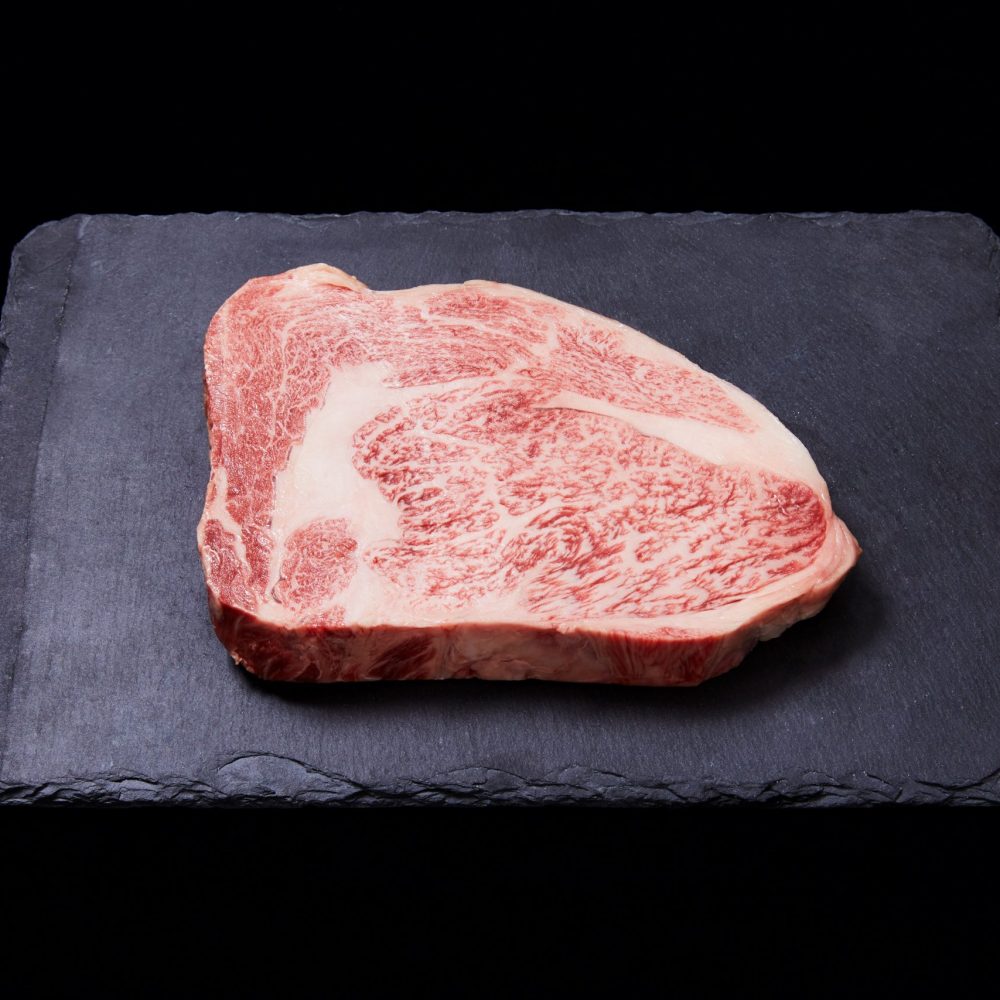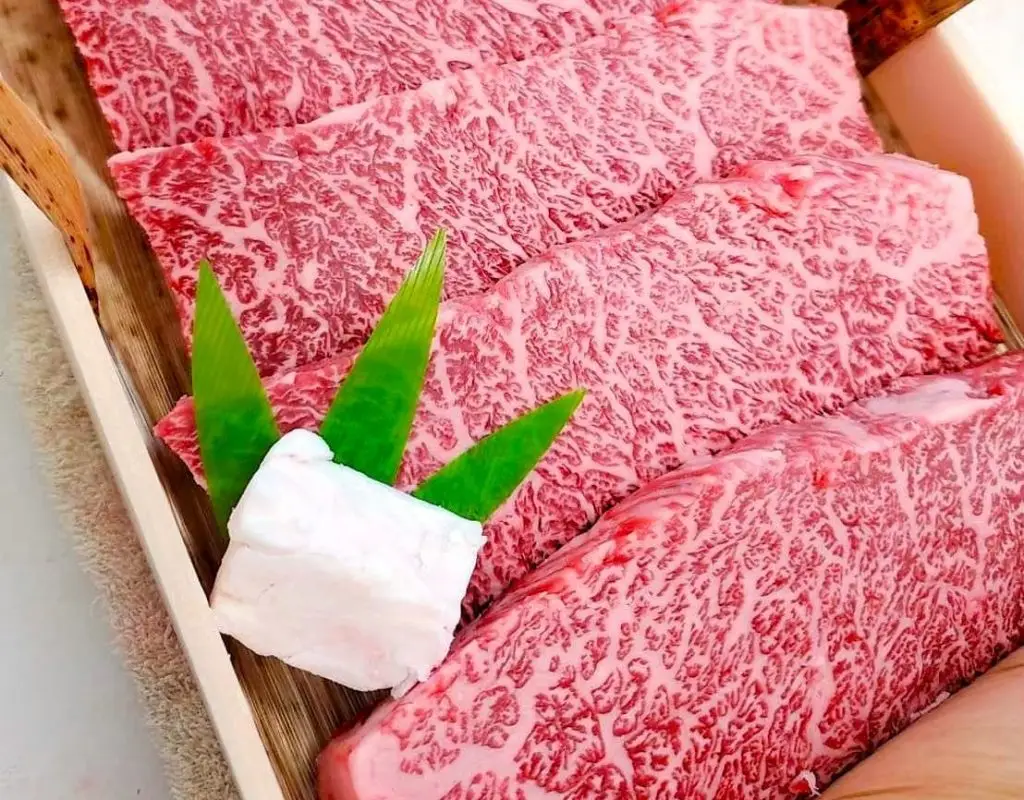
The beautifully marbled look of an A5 Wagyu steak is legendary. But once you understand the actual grading criteria, the way you choose your beef will completely change.
Have you ever heard the phrase “A5 Wagyu is the absolute highest quality beef”? You see it everywhere—on restaurant menus, luxury steakhouse sites, and online butcher shops boasting about their “Certified A5 Imperial Wagyu.”
But what do the letter “A” and the number “5” actually mean? And what is the real difference between an A4 and an A5 steak?
Strictly speaking, this system is regulated by the Japan Meat Grading Association (JMGA). However, here is a professional chef’s secret: “A5” does not automatically mean “the best tasting” meat for your personal palate. The grade is simply a standard of specific visual and yield metrics. Depending on your personal preferences, an A4 or even an A3 cut might actually suit your dinner plans much better!
As a professional washoku (Japanese cuisine) chef, I’m going to break down the true meaning of the A5 rank, how the grading system works, and why the alphabet doesn’t matter to you as a consumer.
(Curious about Japan’s top beef regions? Check out my guide here: [The Big Three Wagyu: Kobe, Matsusaka, and Omi Beef Explained])
When you hear “A5,” it sounds like a single, unified score. In reality, the letter and the number represent two entirely separate evaluations evaluated from different perspectives.
The letter grade measures how much high-value, sellable meat can be harvested from a single steer. Think of it as an efficiency score for the farmer and butcher.
⚠️ The Big Secret: The letter “A” is purely a quantitative score. It tells you absolutely nothing about the flavor, tenderness, or quality of the meat you are eating.
This is the number that actually grades the quality of the beef itself based on visual and physical characteristics. It is scored on a scale of 1 to 5 (with 5 being the absolute highest).
The overall quality grade is determined by evaluating four strict categories:
Note: The final score defaults to the lowest score achieved in any of these four categories. To get a “5,” the beef must achieve a perfect score across the board.
The only difference between an A5 and a C5 steak is how much meat the cow yielded. If the quality number is a 5, the taste, tenderness, and marbling are virtually identical!
| Grade | Yield (Quantity) | Quality (Meat) | Characteristics |
| A5 | High | Highest | The classic “Ultra-Premium” luxury standard you see on menus. |
| B5 | Average | Highest | Same exact meat quality as A5, but often carries a slightly friendlier price tag. |
| C5 | Low | Highest | Tastes identical to A5. Extremely rare in retail due to low yield distribution. |
The letters “A, B, and C” are strictly industry and producer metrics meant for wholesale trading. Once the meat is beautifully sliced, packaged, and sitting in a retail case or on your dinner plate, the yield efficiency of the original cow does not affect your dining experience. Whether it is labeled A5, B5, or C5—as long as it has that 5, you are eating the highest class of Wagyu quality. You can completely ignore the letter!
If B5 and C5 taste just as good as A5, why does “A5” hog the spotlight while the others are practically invisible? It comes down to marketing and trade economics.
Depending on what you are cooking, choosing the highest marbled fat content (Grade 5) isn’t always the best choice. Here is how a chef pairs grades to cooking methods:
| Quality Rank (5, 4, 3) | Ideal Cooking Methods | Chef’s Notes |
| Grade 5 (A5 / B5 / C5) | Steak, Sukiyaki, Shabu-Shabu, Premium Roast Beef, High-end Yakiniku | Perfect for dishes where the meat is the absolute star and you want that classic, melt-in-your-mouth Wagyu experience. |
| Grade 4 (A4 / B4 / C4) | Steak, Sukiyaki, Shabu-Shabu, Beef Stew, Everyday Yakiniku | An incredible sweet spot. Excellent marbling but with a bit more meaty structure—ideal if you find Grade 5 a bit too rich. |
| Grade 3 (A3 / B3 / C3) | Curries, Stews, Gyudon (Beef Bowls), Bulgogi, Homestyle Stir-Fries | Best for comfort foods where the meat is simmered. The lean profile holds up beautifully to sauces and long cooking times. |
Keep in mind: In the premium export market, A-grade beef makes up the vast majority of what is available, so finding a B5 or C5 at an international butcher shop is a true rarity.