Wagyu Ribeye vs. Strip Loin: The Ultimate Guide to Choosing Between Ribeye and Strip Loin
The difference of Wagyu Strip loin (Sirloin) and Ribeye
When shopping for premium beef online or at a high-end butcher shop, have you ever found yourself frozen in front of the counter, wondering: “Which one actually tastes better?” or “What justifies the price difference?” You are not alone. While Strip Loin or Sirloin and Ribeye sit right next to each other along the steer’s back, they are worlds apart when it comes to flavor profile, fat distribution, and ideal cooking methods.
By the time you finish reading this guide, you will be able to choose between these two legendary cuts with absolute, flawless confidence!
📌 The Verdict: 3 Simple Rules to Choose Right Every Single Time
If you’re staring at a menu or an online checkout cart right now, use these three quick golden rules to make your decision:
① Craving rich fat? Go Ribeye. Loving deep meatiness? Go Strip Loin.
This is the simplest yardstick.
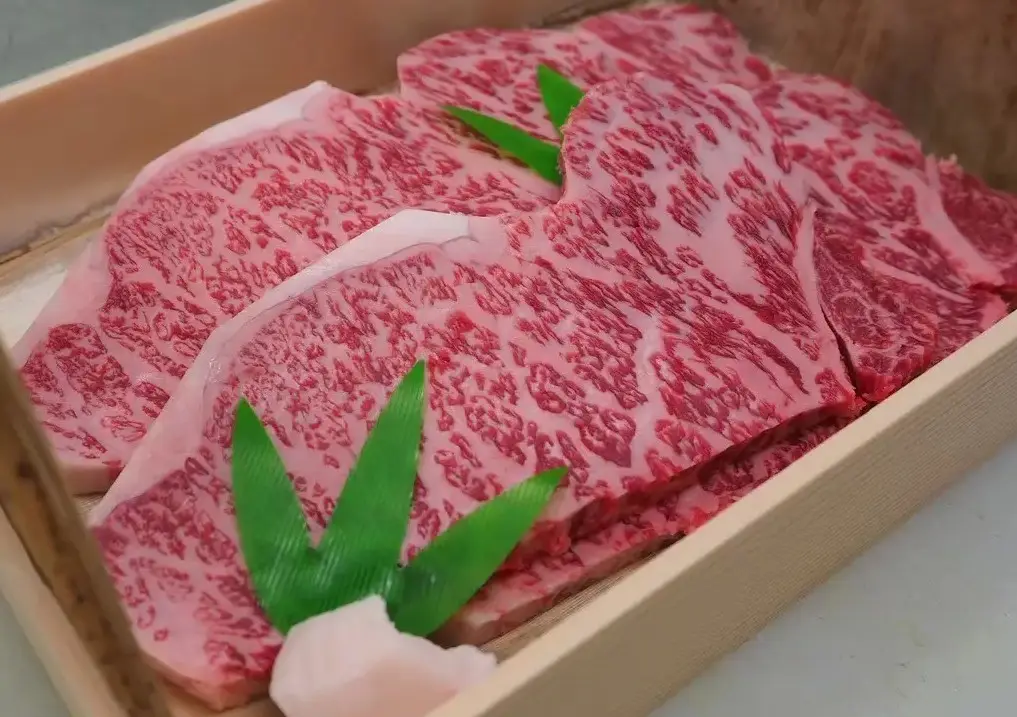
Ribeye (Rib-Rosu) is famous for its intricate, web-like marbling and higher fat content, delivering a luxurious, melt-in-your-mouth richness. It’s heaven for anyone who loves Sthe sweet flavor of premium fat.
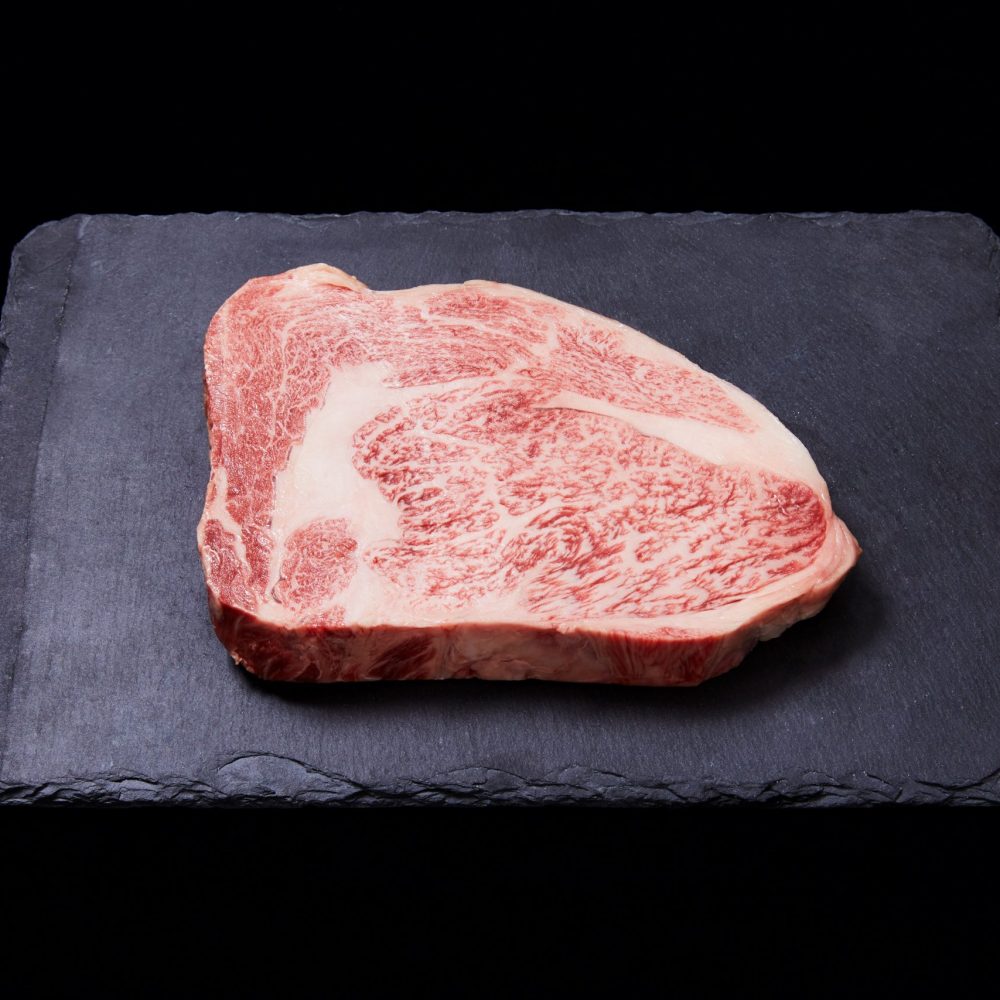
Strip Loin, on the other hand, strikes a beautiful balance between lean beef and fat. It delivers that definitive, robust “I’m eating a spectacular steak” bite without feeling overly greasy.
② First time buying premium Wagyu? Ribeye is your safety net.
If you are spending top dollar on luxury A5 Japanese beef for the first time, Ribeye is incredibly forgiving to cook. Because it is packed with fine marbling, it retains its luscious juiciness even if you accidentally overcook it a bit. Strip Loin is leaner, meaning a few seconds too long on the pan can turn it firmer. If you want a guaranteed culinary home run, Ribeye is your best friend.
③ Celebrating a major milestone? Strip Loin brings the crown.
Known universally as the “King of Steaks,”Strip Loin carries an undeniable aura of luxury. Its sleek shape, beautiful rim of fat, and elegant lean profile make it the ultimate showstopper for anniversaries, birthdays, or high-end corporate gifts.
🔍 The Deep-Dive: 5 Key Differences Explained
1. Location on the Steer
Both cuts run along the spine of the animal, but they occupy different neighborhoods. Ribeye (Rib-Rosu) sits closer to the shoulder (rib cage area), a region that moves very little, resulting in massive fat accumulation and supreme tenderness.
Strip Loin sits just behind the ribeye, moving toward the lower back and hip. Being closer to the hind legs, this section contains slightly more developed muscle structure, resulting in a deeper, more pronounced lean beef flavor.
2. Flavor & Texture
Think of it this way: Ribeye is like a rich, decadent milk chocolate, while Strip Loin is like a sophisticated, high-end dark chocolate.
Ribeye melts instantly on the tongue, coating your palate in velvety, sweet juices.
Strip Loin offers a rewarding, tender chew—releasing a wave of deep beef umami with every single bite.
3. Marbling (Sasi) Density
Wagyu Ribeye boasts some of the most spectacular, uniform, visual marbling scores (BMS) in the entire world. It is highly marbled throughout the entire cut. Strip Loin focuses its rich fat mainly along the top outer rim, leaving the center core beautifully ruby-red with elegant, moderate marbling streaks.
4. Price & Value Economics
While premium brand beef is an investment regardless of the cut, Strip Loin generally commands a slightly higher premium per gram due to its prestige as the “King” and its lower harvest yield per steer. However, because Ribeye delivers such immense flavor and immediate satisfaction, many foodies consider it to have the superior cost-to-performance (cos-pa) ratio.
5. Tenderness Level
If tenderness is your absolute number-one priority (especially if dining with young children or elderly family members), Ribeye wins on pure softness because of its fine muscle fibers and heavy fat content. Strip Loin is highly tender but retains a proud, structural bite.
📊 Nutritional Breakdown: By the Numbers
Before buying, let’s look at how these two match up nutritionally. The following data is based on 100g of raw, trimmed premium Japanese Wagyu (with excess outer fat removed, leaving only the natural interior marbling).
Nutrient (per 100g raw)
Strip Loin
Ribeye (リブロース)
Calories
422 kcal
502 kcal
Protein
12.9 g
10.3 g
Fat (Lipids)
42.5 g
54.4 g
Iron
0.8 mg
1.3 mg
Zinc
3.1 mg
2.8 mg
💡 The Takeaway: Ribeye packs about 80 more calories and 12 grams more fat per 100g than Strip Loin. If you are on a strict caloric deficit or watching your macros, Strip Loin is the vastly superior choice, offering higher protein and less total fat while keeping you completely satisfied.
🍳 Culinary Matchmaking: Which Cut Rules Which Dish?
🥩 The Steakhouse Battle
Strip Loin: Best cut thick, seared to a beautiful medium-rare, and served simply with sea salt and coarse black pepper. It pairs beautifully with sharp contrasts like freshly grated wasabi or yuzu kosho.
Ribeye: Best cooked to a true medium. Why? Because hitting medium allows that dense interior marbling to fully render and liquefy, turning the steak into a remarkably juicy masterpiece.
鍋 The Hot Pot Classics (Sukiyaki & Shabu-Shabu)
Sukiyaki:Ribeye is the absolute, undisputed champion here. The sweet, savory sukiyaki tare (soy-mirin sauce) blends effortlessly with the melting fat of thin-sliced Ribeye. When dipped into raw beaten egg, it is pure magic.
Shabu-Shabu:It’s a tie. Choose Strip Loin if you want a clean, light, refreshing experience dipped in citrusy ponzu. Choose Ribeye if you want a rich, luxurious bite that pairs beautifully with a heavy sesame (goma) dipping sauce.
烤 The Open Flame (Yakiniku & BBQ)
Ribeye shines brightest when sliced thin for Japanese BBQ. The fat drips down onto the charcoal, creating an irresistible smoky aroma. Strip Loin can dry out if sliced too thin for Yakiniku; if you use Strip Loin, keep the cuts thick like a mini-steak!
🍽️ The Elegant Roast (Roast Beef)
Strip Loin is the definitive winner. Because roast beef is served chilled or at room temperature, high-fat cuts like Ribeye can leave a heavy, solidified fat coating in your mouth. Strip Loin stays perfectly lean, retains its gorgeous pink center, and slices beautifully without breaking apart.
🌡️ The Golden Rules of Steak Cooking (Avoid the 3 Big Mistakes!)
No matter which cut you buy, do not sabotage your investment! Avoid these three common pitfalls:
❌ Mistake 1: Cooking Straight from the Fridge. Cold meat will burn on the outside while remaining ice-cold on the inside. Let your steak sit on the counter for 20–30 minutes to reach room temperature before it touches the pan.
❌ Mistake 2: Flipping Constantly. Flipping your steak back and forth ruins the crust and drains the precious juices. Flip it once per side. Let it develop that gorgeous sear!
❌ Mistake 3: Skipping the Rest. The moment your steak leaves the heat, wrap it in aluminum foil for 3 to 15 minutes (depending on thickness). This allows the muscle fibers to relax and reabsorb all the delicious juices.
Alternative Premium Cuts for Your Perfect Steak
While Strip Loin and Ribeye are the absolute titans of the steak world, there are several other incredibly attractive cuts you should consider depending on your taste, budget, and occasion.
1. Tenderloin (Hire): The Ultra-Tender, Supreme Luxury Cut
The Tenderloin is universally recognized as the most tender cut of beef on the planet, standing at the very pinnacle of luxury.
Anatomically located on the inside of the steer’s loin—right beneath the Strip Loin—this muscle does almost zero physical work. Because it is rarely exercised, it develops a uniquely fine, buttery texture that sets it apart from all other meat. It is an exceptionally rare prize, making up only about 3% of the entire animal, which naturally commands the highest price tag on the market.
Flavor & Texture: The defining feature of the Tenderloin is its lack of fat. It is practically 100% lean red meat. Instead of relying on rich fat for flavor, it offers a remarkably clean, subtle, and sophisticated beef elegance. It delivers a breathtakingly soft texture that practically dissolves the moment it hits your tongue.
Who It’s For: It is the ultimate choice for those who want an incredibly tender steak without any heavy, oily richness. If you are calorie-conscious, health-oriented, or simply want to indulge in the most premium dining experience possible, this is your cut. In high-end restaurants, the center-cut of this muscle is served under the legendary name “Chateaubriand.” * Price Point: Generally, Tenderloin trades at 1.5 to 2 times the price of Strip Loin or Ribeye, making it the ultimate choice for milestones and ultra-luxury gifting.
2. Rump (Rampu): The Connoisseur’s Choice for Lean Beef Lovers
The Rump is a highly rewarding, deeply savory cut celebrated by true beef aficionados who prefer lean meat over heavy marbling.
Located near the hip and posterior of the steer, sitting right behind the Strip Loin, this region gets a moderate amount of exercise. This physical activity tightens the red muscle fibers, resulting in a deeply concentrated, mineral-rich beef flavor. It contains very little fat, offering an even leaner profile than Strip Loin.
Flavor & Texture: It delivers a clean, classic, and robustly “meaty” experience. Rather than the sweet melt of fat, you get the pure, rich juices of high-quality lean beef accompanied by a satisfying, substantial chew. It is incredibly versatile, performing exceptionally well as steak, roast beef, or thin-sliced for grilling.
Who It’s For: Perfect for foodies who find fatty meat overwhelming, those tracking a clean diet, and anyone looking for phenomenal beef flavor at a more accessible price point. It represents spectacular cost-to-performance value compared to the prime loin cuts.
Chef’s Note: Because it is lean, overcooking will cause it to turn tough. It is best enjoyed at a true medium-rare. If you slice it thin, it also makes an absolutely stellar addition to a home Yakiniku night.
3. Chuck Eye (Kata-Rosu): The Budget-Friendly, Flavor-Packed All-Rounder
The Chuck Eye is a highly versatile and economical choice that bridges the gap between everyday dinners and premium indulgence.
Shedding light on its location, the Chuck Eye spans from the shoulder down to the back, sitting directly in front of the Ribeye. Because it comes from a well-exercised area but remains close to the prime ribs, it strikes a beautiful, natural balance—offering rich interior marbling alongside deep muscle flavor.
Flavor & Texture: Compared to its neighbor, the Ribeye, the Chuck Eye contains slightly more connective tissue and a firmer texture. While it might not match the velvety softness of a prime ribeye, it makes up for it with a wonderfully robust, deep savory flavor and a rewarding bite that leaves you completely satisfied. Sliced thin, it turns into an absolute superstar for Yakiniku or Sukiyaki.
Who It’s For: This cut is tailor-made for value-conscious shoppers, backyard BBQ hosts, and anyone who wants the luxury of premium Wagyu on a more regular basis. It often sells for half the price of Strip Loin or Ribeye, making it a fantastic budget hack.
Chef’s Note: If you want to serve Chuck Eye as a standalone steak, simply ask your butcher to slice it slightly thinner. This ensures the meat cooks quickly, unlocks the juicy fats, and stays remarkably tender and easy to enjoy. When you are feeding a hungry crowd or hosting a big family gathering where quantity matters just as much as quality, Chuck Eye allows you to keep your budget in check while keeping everyone’s plates piled high with premium beef.